Explore Freshness: The Complete Guide to Buying a Refrigerated Trailer for Sale
In the competitive landscape of food distribution, a refrigerated trailer stands as a vital resource for enterprises dealing with perishable inventory. Recognizing the specialized features, dimension choices, and economic factors is essential for reaching a well-informed conclusion. The decision between brand-new and previously owned trailers can considerably influence overall performance. When companies seek to improve their refrigerated storage capabilities, they must evaluate multiple elements to ensure optimal functionality and security. Which critical factors might go unnoticed?
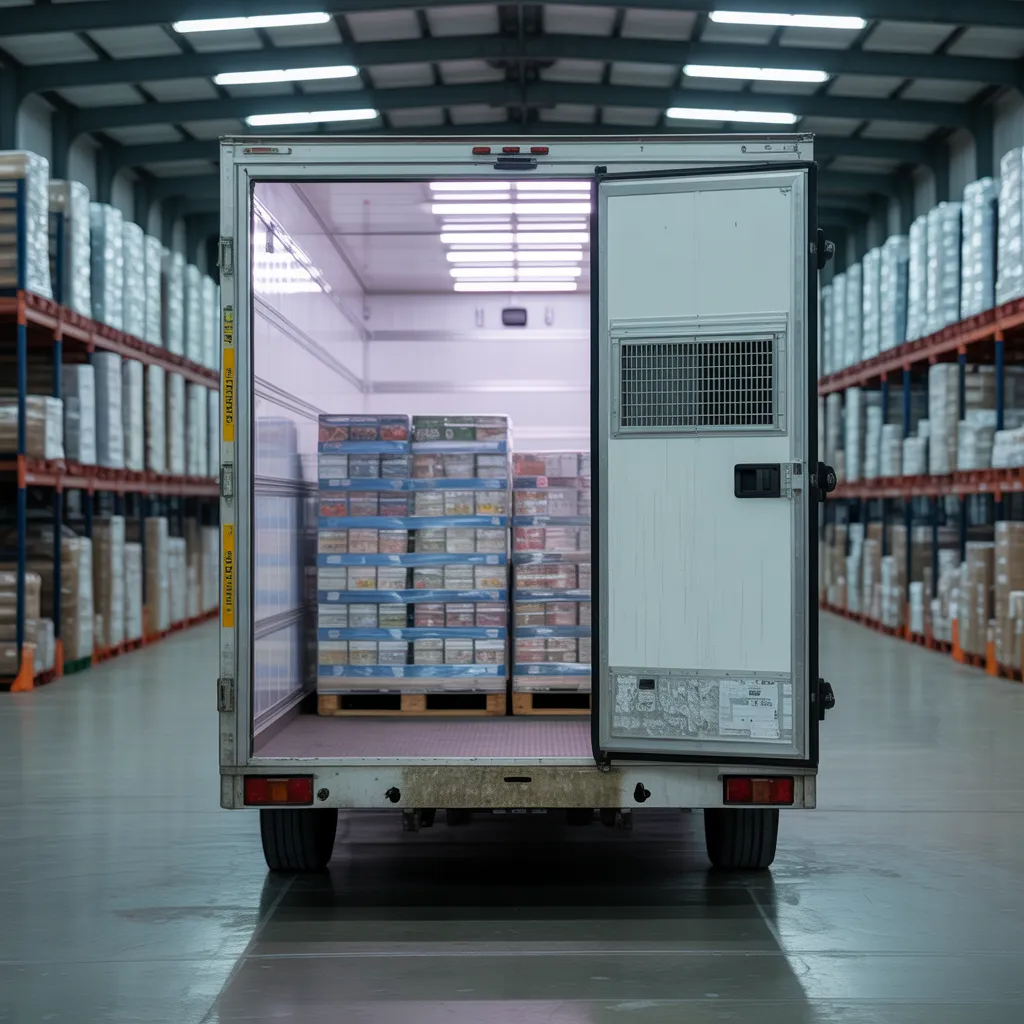
What Makes a Freezer Trailer the Right Choice for Your Business?
A growing number of businesses are turning to freezer trailers to boost their overall productivity. Such portable refrigeration solutions deliver convenience, allowing companies to haul perishable items without sacrificing product integrity. By utilizing freezer trailers, companies can broaden their delivery reach, serving far-flung destinations where standard refrigeration solutions could fall short.
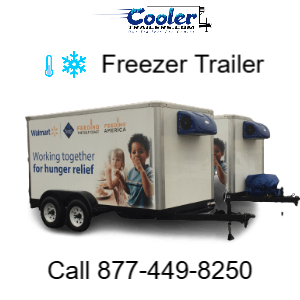
Furthermore, freezer trailers offer the advantage of ensuring a stable climate, which is vital for maintaining food safety and extending shelf life. This is especially valuable for industries such as catering, food distribution, and pharmaceuticals, where temperature management is paramount.
Additionally, freezer trailers usually demand fewer startup costs compared to establishing permanent refrigeration infrastructure, making them a cost-effective option for various organizations. With the growing need for perishable and frozen items keeps growing, employing freezer trailers helps organizations to satisfy client demands while improving their distribution workflows.
Critical Features That Help Your Freezer Trailer Maintain Superior Performance
Acquiring a freezer trailer offers several benefits, but its performance largely depends on certain features intended to enhance performance. Primarily, a powerful refrigeration system is fundamental, ensuring consistent temperatures that preserve food quality. Energy efficiency is another important feature, as it lowers operating costs while preserving ideal conditions.
Furthermore, the quality of insulation is a key factor in maintaining temperature, decreasing energy consumption while boosting performance. The building material of the trailer needs to be sturdy and resistant to rust, guaranteeing long-term performance even in demanding environments.
Moreover, an efficient drainage network aids in maintaining a hygienic environment, essential for maintaining food safety standards.
Lastly, intuitive temperature monitoring systems offer up-to-the-minute information, allowing personnel to implement required changes without delay. Collectively, these elements guarantee that a freezer trailer not only meets but exceeds performance expectations, thereby advancing business success.
How to Choose the Correct Freezer Trailer Size for Your Situation?
When choosing a freezer trailer, it is essential to examine individual storage needs to guarantee enough room for the planned application. Moreover, factoring in the vehicle's towing capacity can prevent complications during transport. Thorough assessment of these aspects will assist in selecting the correct size freeze trailer unit.
Assess Your Storage Needs
How does one identify the optimal size for a freezer trailer? Assessing storage requirements is essential for arriving at the right choice. Initially, operators should consider the kinds and amounts of items they intend to keep. For companies handling perishable goods, a greater storage capacity may be essential to handle changes in inventory levels. Moreover, factoring in how often restocking occurs plays a significant role; higher delivery frequency might call for a smaller unit. It's also important to consider long-term business growth—scaling up may call for a more spacious unit. Finally, assessing the space available for parking and operating the trailer can impact the decision on trailer size. Taking these factors into account guarantees that the chosen refrigerated trailer satisfies present and future requirements effectively.
Consider Vehicle Capacity
What considerations are important concerning vehicle capacity when choosing a freezer trailer? To begin with, the vehicle's towing capacity needs to match the trailer's weight. Going beyond try now this limit may result in safety risks and possible vehicle damage. Additionally, the size of the trailer should complement the intended use; a larger capacity is ideal for transporting bulk goods, whereas a compact size may be adequate for infrequent deliveries. One should also consider the vehicle's maneuverability and the trailer's dimensions, making sure they can handle city settings or confined areas with ease. In conclusion, balanced weight distribution is vital for transport stability, affecting both vehicle control and overall safety. Taking all these elements into account will aid in identifying the ideal freezer trailer for individual needs.
New or Used: Which Should You Choose The Benefits and Drawbacks of Freezer Trailers
When exploring the purchase of a freezer trailer, the choice between new and pre-owned options offers distinct advantages and drawbacks. Brand-new units typically include manufacturer warranties and modern features but at a greater expense, while used trailers may be more budget-friendly yet might demand more servicing. Assessing these considerations is essential for arriving at a sound choice.
Financial Considerations
Deciding between new and used freezer trailers encompasses several cost factors that can significantly affect a buyer's budget. New freezer trailers typically carry higher upfront costs but deliver the latest technology, warranties, and potentially lower maintenance expenditures. In contrast, used trailers can deliver significant savings, often at a fraction of the cost, but may lack modern features and could need more frequent repairs. Buyers should also factor in depreciation, as new trailers decline in value fast, while used models may maintain their value more consistently over time. Ultimately, assessing the initial purchase price against long-term value and reliability will help buyers arrive at a knowledgeable conclusion that matches their financial goals.
Maintenance Requirements
Upkeep demands have a major influence in the evaluation process between new and used freezer trailers. Fresh-off-the-lot freezer trailers commonly feature manufacturer warranties, lowering the likelihood of costly repairs and ensuring reliable performance. Their cutting-edge engineering generally necessitates less routine upkeep. On the other hand, second-hand trailers may carry underlying issues contributing to greater long-term upkeep costs. Purchasers ought to evaluate the age, overall condition, and maintenance records of pre-owned units, as aging models may require more regular servicing or component replacements. Additionally, maintenance availability and costs can vary by brand. At its core, the selection comes down to striking a balance between initial expenditure and future maintenance outlays, confirming that the preferred choice meets both functional demands and budgetary boundaries.
Freezer Trailer Budgeting Guide
Determining the budget for a freezer trailer requires careful consideration of several key factors. The base purchase price tends to be the primary cost factor, with prices varying based on size, brand, and features. Prospective owners should also consider supplementary fees, like shipping and delivery charges, which may increase the total investment required.
Maintenance and running expenses are equally significant; electricity costs, routine servicing, and potential repairs can accumulate over time. Prospective owners should also account for insurance and registration fees, which may be necessary under local regulations.
Furthermore, it is prudent to plan for any customizations or accessories that may enhance functionality, such as racking solutions or temperature regulation systems. By considering all these factors, potential purchasers can set a reasonable budget that covers both upfront expenses and ongoing financial obligations associated with owning a freezer trailer.
Key Tips for Keeping Your Freezer Trailer in Top Condition for Long-Term Use
Regular maintenance of a refrigerated trailer is imperative for ensuring its long-term performance and ideal performance. Periodic service checks should be carried out to examine the refrigeration system, ensuring that all components work as intended. Thoroughly cleaning all surfaces of the vehicle eliminates the accumulation of debris and contaminants, which can compromise productivity and cleanliness standards.
It is critical to observe temperature configurations and ensure they stay stable, as fluctuations can compromise stored goods. Moreover, examining seals and gaskets periodically assists in preserving temperature stability and decreases overall energy expenditure.
Tires and brakes should also be inspected routinely to ensure safe transportation. Keeping the trailer stored in a shaded or covered area can safeguard it against environmental damage. Additionally, preserving thorough documentation of all servicing and repairs can help pinpoint ongoing problems and support a stronger future resale value. By adhering to these practices, owners can significantly prolong the life of their freezer trailer.
How to Improve Freshness and Productivity in Your Freezer Trailer
Enhancing quality and performance in a freezer trailer demands strategic planning and careful management. To begin, proper temperature settings are essential; maintaining a consistent temperature of -18°C (0°F) secures perfect preservation of stored items. Routinely checking and adjusting temperature controls aids in preventing temperature fluctuations.
Furthermore, categorizing items by type and expiration date improves accessibility and minimizes waste. Implementing clear labeling and designated areas enables efficient inventory management.
Moreover, reducing door openings limits temperature loss. Organizing the trailer effectively, securing airflow around items, additionally assists in keeping a stable environment.
Regular maintenance checks, comprising checking seals and purging condenser coils, are essential for preserving the trailer's optimal performance.
Finally , incorporating high-quality insulation enhances the trailer's ability to retain cold air, consistently reinforcing freshness. Adopting these strategies will ensure that a freezer trailer functions at peak performance, protecting products and maximizing operational efficiency.
Frequently Asked Questions
Which Brands Are Top-Rated for Freezer Trailers?
Leading brands for freezer trailers include copyright Transicold, Thermo King, and Frigidaire. These industry leaders are renowned for their efficient cooling solutions, reliability, and advanced technology, addressing a wide range of demands in the shipping of temperature-sensitive goods.
How Can I Clean and Sanitize My Freezer Trailer
To properly clean and sanitize a freezer trailer, begin by removing all items. Use warm, soapy water to scrub surfaces, then rinse thoroughly. Finally, apply a food-safe sanitizer, allowing it to cover all surfaces completely before air drying.
Am I Able to Customize My Freezer Trailer?
Indeed, freezer trailers can be customized. Users often customize aspects such as racking systems, climate settings, and outer appearances to properly accommodate their unique demands, guaranteeing peak performance for moving perishable goods seamlessly.
What Are the Most Frequent Repair Problems With Freezer Trailers?
Common repair issues with refrigerated trailers include thermostat malfunctions, compressor failures, electrical problems, and insulation breakdown. Routine maintenance helps prevent these problems, maintaining top performance and maximizing the longevity of the trailer.
What Is the Safe Way to Transport My Freezer Trailer?
For safe freezer trailer transportation, guarantee it is firmly connected to the towing vehicle, check tire pressure, and balance the weight properly. Employ secure tie-down straps and keep an eye on temperature during transport to maintain contents' freshness.